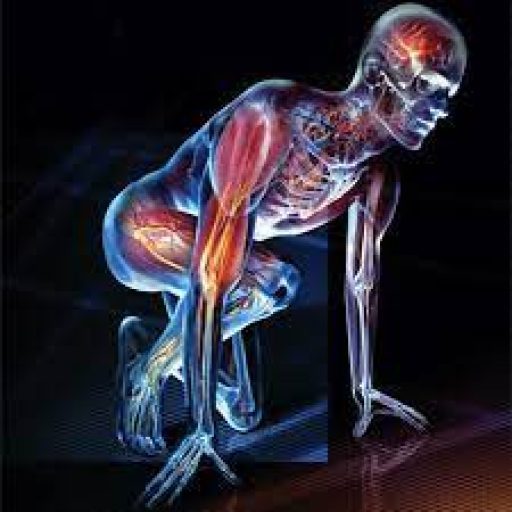
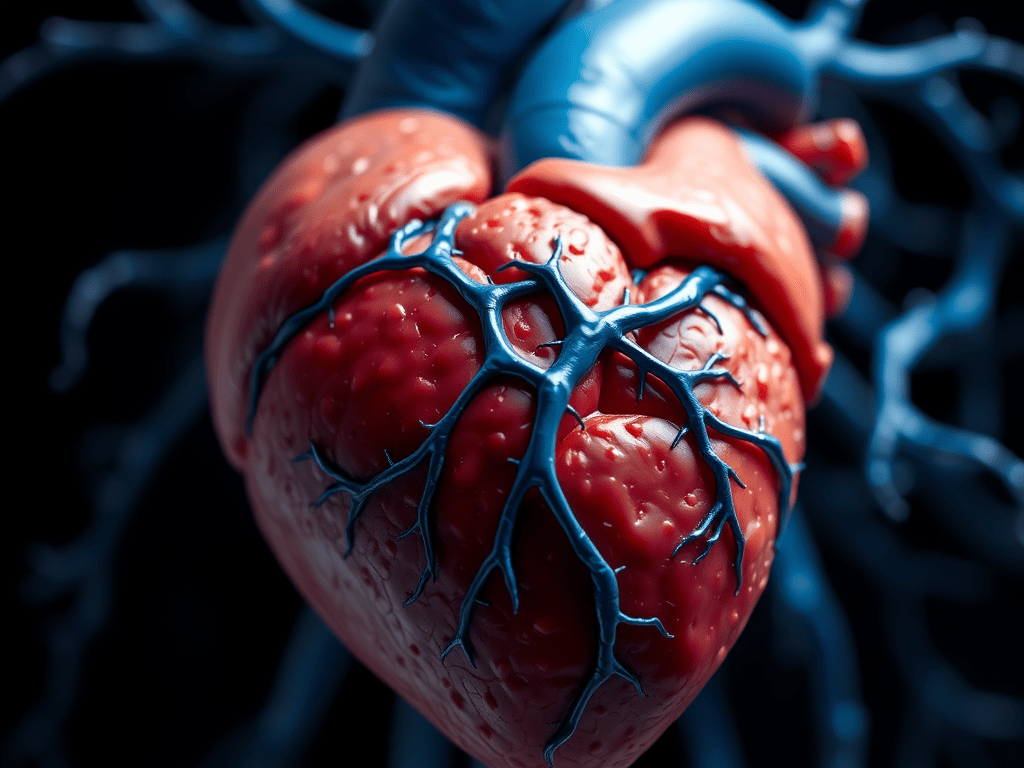
Physically, the heart is a powerful yet vulnerable organ—constantly working, yet reliant on precise rhythms, balanced pressure, and an intricate network of vessels to sustain life. A slight imbalance can disrupt its function, making it both resilient and fragile at the same time.
The heart is a paradox of strength and vulnerability. It’s one of the hardest-working organs in the body, beating around 100,000 times per day and pumping about 2,000 gallons of blood daily. From the moment it starts in the womb until our last breath, it never truly rests—only slowing down or speeding up based on the body’s needs.
Yet, despite this incredible endurance, the heart is highly sensitive to even the smallest changes. It depends on:
- Precise rhythms – The heart’s electrical system keeps it beating in a coordinated way. A slight disruption in these signals can cause arrhythmias (irregular heartbeats), affecting efficiency and, in extreme cases, leading to cardiac arrest.
- Balanced pressure – The heart must maintain the right balance of blood pressure. Too high (hypertension) strains the arteries, increasing the risk of stroke or heart failure. Too low (hypotension) can deprive organs of oxygen, leading to shock.
- A delicate vascular network – The coronary arteries, which supply the heart with oxygen, are surprisingly thin and prone to blockages. Even a small clot can trigger a heart attack, cutting off vital blood flow to the muscle itself.
- Nutrient and oxygen supply – The heart relies on constant delivery of oxygen and nutrients. Deprivation, even for a few minutes, can cause irreversible damage, making heart attacks particularly dangerous.
This balance of relentless function and delicate precision makes the heart both powerful and fragile. It adapts, compensates, and sustains life, but the smallest imbalance can ripple into something life-threatening. It’s a reminder that even the strongest forces require care.

 EVERYDAY CORE
Leave a reply to quicksallkamoni Cancel reply